Does Populism threaten democracy? With Marc Froese and Frank Furedi
Is populism a vital expression of democracy in action, or a method used to undermine it from within? Writing in 1999, political theorist Margaret Canovan described populism as the "shadow of democracy" - an ever-present reflection of the system's own internal tensions. In this episode of The Bridge: A Disagreeing Well Podcast from University College London and Students' Union UCL, we explore how that shadow has lengthened in the decades since. We ask whether modern populism is the inevitable result of a democracy that has stopped listening to its citizens, and whether the real threat comes from these grassroots movements or the "anti-populists" who seek to restrain them.
UCL student host Marva Khalid facilitates a deep dive between two experts with opposing viewpoints who find unexpected common ground on the importance of free debate:
- Marc Froese, Professor of Political Science and author of Has Populism Won the War on Liberal Democracy?, views populism as a powerful method of message framing. He argues that while it can rally people against threats, it is often used by elites to create polarisation and insecurity to drive specific electoral outcomes.
- Frank Furedi, Emeritus Professor of Sociology and author of In Defence of Populism, sees populism as an essential driver of democratic rights that "comes from below". He suggests that "anti-populists" are the true threat to democracy, as they question the moral capacity of citizens to make their own decisions.
Our resident UCL expert mediator, Dr Melanie Garson, helped the guests navigate beyond their publicly stated academic positions. By encouraging them to share personal experiences and ask each other non-topic-related questions, she created space for a "grown-up discussion" that moved past standard political caricatures.
Key Takeaways from this Episode:
- Humanise the Opponent: Melanie used "off-topic" questions - asking about retirement or past research - to break down academic barriers and establish a personal connection before tackling the main disagreement.
- Identify the "Double Standard": The guests explored how populist movements are often judged more harshly than liberal or conservative ones, with any mistake seen as a defining feature rather than a simple error.
- Value the Friction of Debate: Both guests lamented the rise of "bubbles" and self-censorship. They agreed that true education and democracy require the "tension of disagreeing well" - the ability to hold strong, even unpopular opinions while remaining open to learning from opponents.
- Question the Label: A significant part of the disagreement stems from the fact that "populist" is rarely a self-chosen title; it is often a term of "pathologisation" used by critics to label movements they dislike.
Listen now to hear how we can bridge the divide and protect democracy in an age of intense political polarisation.
This production was led by UCL student presenters, Diego Lacheze-Beer and Marva Khalid, who are participants on Students’ Union UCL’s Impartial Chairs Programme. Find out more about the programme and, if you are a UCL student, how you can apply here.
This is a Research Podcasts production.
Episode Credits
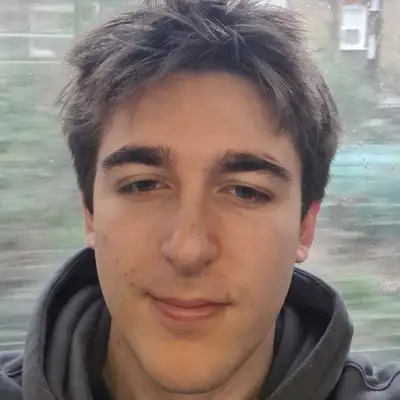
Presenter: Marva Khalid Students’ Union UCL Impartial Chair
Guests: Marc Froese and Frank Furedi
Producer and editor: Research Podcasts
Music: The Investigation by Pixabay
Artwork: Johnson Banks and Indianna Dimmer
Further reading and resources
- Canovan, M. (1999), ‘Trust the People! Populism and the Two Faces of Democracy’, Political Studies, 47(1), pp. 2–16.
- Drache, D., and Froese, M. (2022) Has Populism Won? The War on Liberal Democracy
- Furedi, F. (2026), In Defence of Populism
- Furedi, F. (2024) The war on the past
- Mouffe, C. (2018) For a left populism
- Mudde, C. (2004) ‘The populist zeitgeist’, Government and Opposition, 39(4), pp. 541–563
Creators and Guests
Host
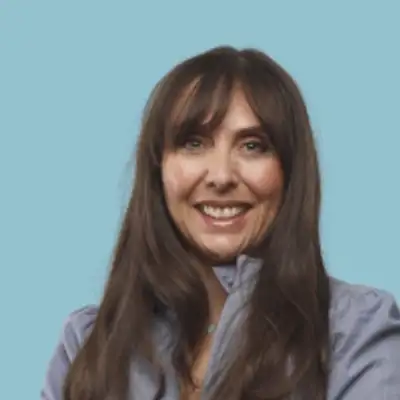
Dr Melanie Garson
Melanie has been teaching on international conflict resolution and international security at UCL since 2010. She provides practical insights and thought leadership for policymakers across the full spectrum of cyber policy, tech geopolitics, and defence innovation challenges. Melanie is an accredited mediator and regularly provides commentary on geopolitics and tech in podcasts, webinars and at major media outlets including Bloomberg, BBC, Sky, CNBC, CNN, Fox News, France 24, and DeutscheWelle.
Guest
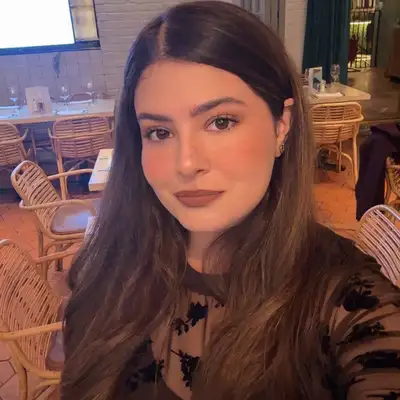
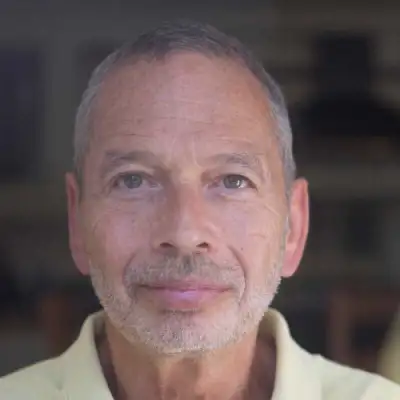
Frank Furedi
Emeritus Professor of Sociology and author of In Defence of Populism, sees populism as an essential driver of democratic rights that "comes from below". He suggests that "anti-populists" are the true threat to democracy, as they question the moral capacity of citizens to make their own decisions.

Guest
Marc Froese
Professor of Political Science and author of Has Populism Won the War on Liberal Democracy?, views populism as a powerful method of message framing. He argues that while it can rally people against threats, it is often used by elites to create polarisation and insecurity to drive specific electoral outcomes.