Creators and Guests

Host
Dr Melanie Garson
Melanie has been teaching on international conflict resolution and international security at UCL since 2010. She provides practical insights and thought leadership for policymakers across the full spectrum of cyber policy, tech geopolitics, and defence innovation challenges. Melanie is an accredited mediator and regularly provides commentary on geopolitics and tech in podcasts, webinars and at major media outlets including Bloomberg, BBC, Sky, CNBC, CNN, Fox News, France 24, and DeutscheWelle.
Appears in
11
episodes

Guest
Amina Khanom
Director of the charity Reset Communities for Refugees, argues that the UK is not doing enough. She contends that "pull factors" - the idea that welfare or work rights attract refugees - are myths unsupported by data. For Amina, the focus should be on creating safe, regular routes and fixing a "slow and under-resourced" system that pushes people into the hands of smugglers.
Appears in
1
episode
Guest
Chris Christou
Chris Christou is a writer, educational curator, and activist. In 2021, alongside friends and strangers, he organized and launched the End of Tourism Podcast.
Appears in
1
episode

Guest
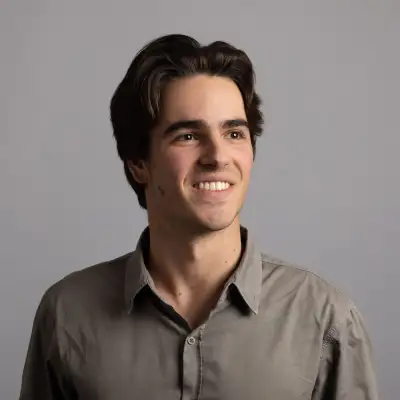
Dan Fitzpatrick
Educational strategist and author of The AI Classroom, sees AI as a supportive partner that can help manage the heavy lifting for teachers and provide students with a personalised way to engage with complex ideas. He argues that we should focus on how these tools can be used to augment human potential rather than replace it.
Appears in
1
episode
Guest
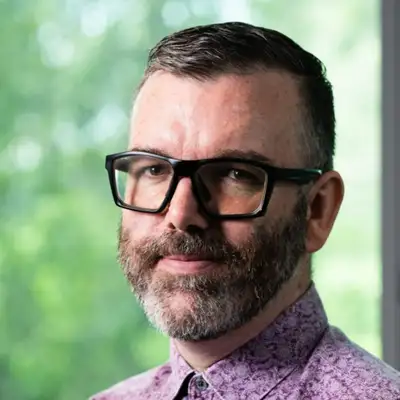
Daniel Angus
Professor of Digital Communication and Director of the QUT Digital Media Research Centre. Cyclist, beer brewer, nerd, community advocate.
Appears in
1
episode
Guest
Dr. Emma Fieldhouse
Director of Future We Want and sustainability advocate, offers a more pragmatic perspective, viewing net zero emissions targets as a vital, globally agreed-upon starting point established by the 2015 Paris Agreement. While acknowledging it is imperfect and ultimately needs to transition into net negativity, she emphasises its success in instigating global behavioural change and providing a levelled framework for reducing societal emissions.
Appears in
1
episode
Guest
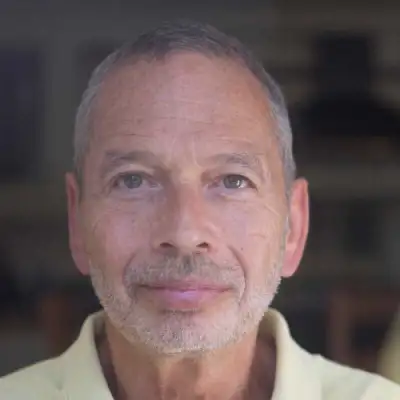
Eric Kaufmann
Professor of Politics at the University of Buckingham, believes the UK is doing enough for those who arrive, but should shift its focus. He argues that while people have a right to asylum (safety), they do not have an inherent right to settlement in a wealthy country. He advocates for offshore processing and strict annual quotas to disincentivise those he views as primarily economic migrants.
Appears in
1
episode
Guest
Frank Furedi
Emeritus Professor of Sociology and author of In Defence of Populism, sees populism as an essential driver of democratic rights that "comes from below". He suggests that "anti-populists" are the true threat to democracy, as they question the moral capacity of citizens to make their own decisions.
Appears in
1
episode
Guest
James Dyke
Assistant Director of the Global Systems Institute at the University of Exeter, takes a sceptical view of net zero. He argues it has failed because it relies too heavily on unproven, large-scale carbon removal technologies rather than forcing a rapid phase-out of fossil fuels. He cautions that the framework has replaced a difficult political problem with an intractable engineering one, masking the immediate need for aggressive mitigation and adaptation.
Appears in
1
episode
Guest
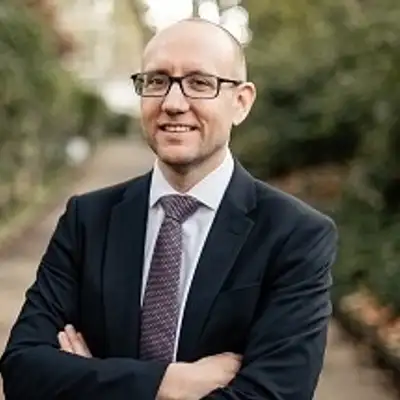
Jamie Arrowsmitm
Director at Universities UK International, argues that caps are "blunt tools" used by governments that lack better ideas. He contends that international recruitment is already naturally falling and that adding a cap would be a "disastrous" signal that harms the UK’s reputation and ignores the existing controls already in place.
Appears in
1
episode
Guest
Jennifer Powers
Founder & Director of the Unplugged Coalition. Former Special Adviser to PM on Business, Regulation and Energy Policy.
Appears in
1
episode

Guest
John Warner
Writer and author of More Than Words, is more cautious about the "frictionless" nature of AI. He suggests that the effort required to write and think for oneself is where the actual education happens, and he worries that outsourcing this work to an algorithm might devalue the human experience of discovery.
Appears in
1
episode
Guest
Jonathan Thomas
Senior Fellow at the Social Market Foundation, believes that because students are so "welcome and important," we must ensure their arrival serves the interests of local communities and infrastructure. He argues that while a general cap is difficult, specific controls or caps in certain circumstances are necessary to manage "externalities" like housing shortages and public perception.
Appears in
1
episode
Guest
Juliet Gellatley
Juliet is the international founder and director of vegan campaigning charity Viva! and its sister groups, Viva! Poland and Viva! Uganda.
Appears in
1
episode
Guest
Madeleina Kay
Artist, campaigner, and Youth Engagement Officer for the Young European Movement, argues that Brexit has disproportionately damaged the prospects of young people. She advocates for a step-by-step alignment with the EU, viewing full membership as the ultimate path to a better future.
Appears in
1
episode
Guest
Manoj Harjani
Research Fellow and Coordinator, Military Transformations Programme at RSIS, Rajaratnam School of International Studies
Appears in
1
episode

Guest
Marc Froese
Professor of Political Science and author of Has Populism Won the War on Liberal Democracy?, views populism as a powerful method of message framing. He argues that while it can rally people against threats, it is often used by elites to create polarisation and insecurity to drive specific electoral outcomes.
Appears in
1
episode
Guest
Mark Worden
Mark is Director at MiHi digital and Visit Cornwall, with more than a decade of tourism marketing experience.
Appears in
1
episode
Guest
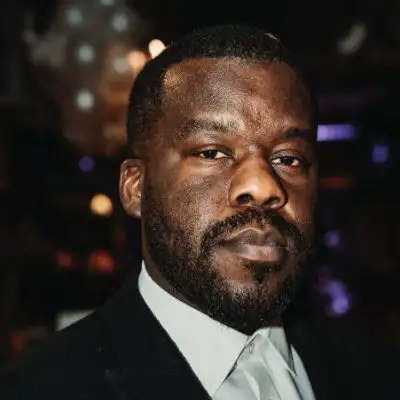
Nels Abbey
Nels Abbey is an author, broadcaster and the founder of Uppity: the Intellectual Playground. His latest book is The Hip-Hop MBA: Lessons in Cut-Throat Capitalism From The Moguls of Rap
Appears in
1
episode
Guest
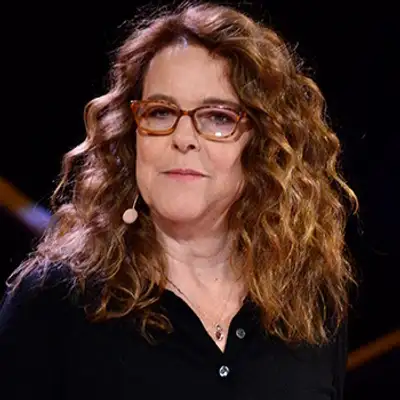
Niobe Way
Internationally recognized NYU developmental psychologist Dr. Niobe Way has spent nearly 40 years conducting empirical studies with teenagers, particularly boys and young men from diverse backgrounds.
Appears in
1
episode
Guest
Peter Heaton-Jones
A former Conservative MP and public affairs professional, voted to remain in 2016 but now believes rejoining would be "nonsensical" and damaging. He suggests that the UK can reclaim many benefits, such as youth mobility and research collaboration, through specific negotiations without the "protracted process" of rejoining.
Appears in
1
episode
Guest
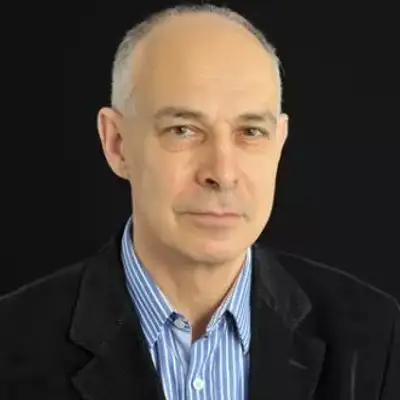
Prof Nick Zangwill
Honorary Research Fellow in the Philosophy Department, UCL. Nick is a philosopher who works mostly on meta-normative issues, especially in moral philosophy and aesthetics, but also works in epistemology, metaphysics and other areas of philosophy.
Appears in
1
episode
Guest
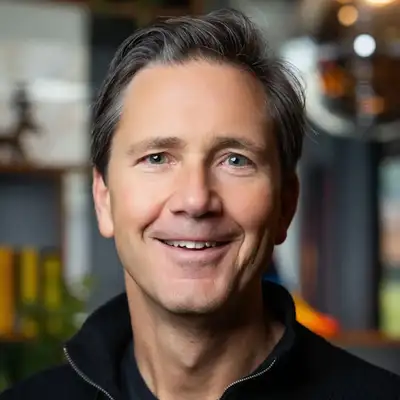
Richard V Reeves
Richard V. Reeves is a public intellectual, best-selling author, and influential social commentator whose work centers on two vital questions: Where do inequalities persist in society today, and how can we most effectively address them?
Appears in
1
episode